Introduction
Zinc deficiency is one of the most common micronutrient problems affecting crops worldwide, yet it is often overlooked by growers.
Even in soils where zinc is present, plants may not be able to absorb it efficiently, leading to slow growth, poor development, and reduced yields.
Understanding zinc deficiency in crops is essential for maintaining healthy plant growth and maximizing productivity.
What Causes Zinc Deficiency in Crops
Zinc deficiency is commonly found in soils with:
- High pH (alkaline soils)
- High phosphorus levels
- Low organic matter
- Sandy or calcareous soil conditions
Under these conditions:
- Zinc becomes less available to plants
- Root uptake is limited
- Plant metabolism is negatively affected
This issue is particularly common in:
- Vegetables
- Corn and field crops
- Fruit trees
- Citrus
Symptoms of Zinc Deficiency
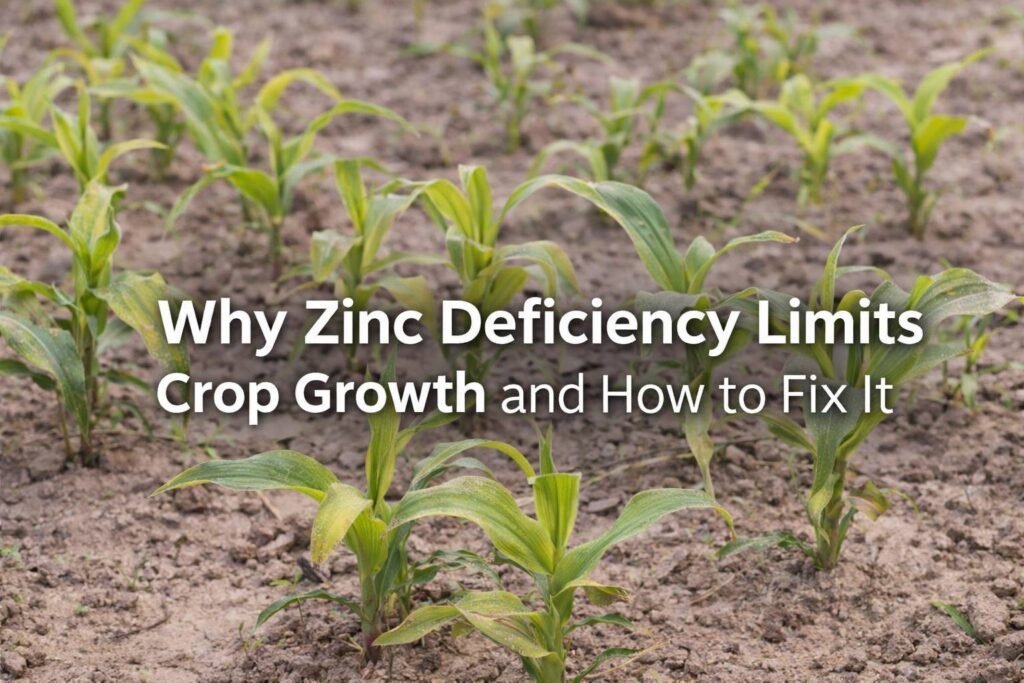
Zinc deficiency can be identified by several visible symptoms:
- Small, narrow leaves (little leaf)
- Shortened internodes (rosette growth)
- Yellowing between veins (interveinal chlorosis)
- Stunted plant growth
- Reduced leaf size and poor canopy development
These symptoms are often mistaken for other nutrient deficiencies, making proper diagnosis important.
Why Zinc Is Critical for Plant Growth
Zinc plays a key role in plant physiology, including:
- Enzyme activation
- Hormone (auxin) production
- Protein synthesis
- Growth regulation
Without adequate zinc:
1.Plants cannot grow properly
2.Leaf development is limited
3.Overall crop performance declines
Why Soil Application Is Not Always Effective
Applying zinc directly to soil does not always solve the problem, especially in high pH conditions.
This is because:
- Zinc can become fixed in the soil
- Nutrient mobility is limited
- Plants cannot access applied zinc efficiently
As a result, growers may continue to see deficiency symptoms even after fertilization.
Effective Solutions for Zinc Deficiency
To correct zinc deficiency effectively, growers should focus on improving nutrient availability and uptake.
Recommended strategies:
- Use highly available zinc formulations
- Apply zinc through foliar spraying for rapid correction
- Use chelated zinc in challenging soil conditions
- Integrate zinc into a balanced crop nutrition program
Foliar application is often the fastest way to correct visible symptoms.
Recommended Zinc Solutions
For effective zinc nutrition, selecting the right formulation is essential.
TerraNutrix ZINC BOOST
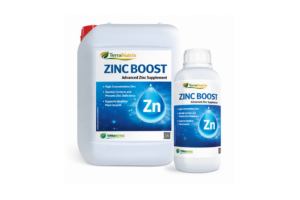
- Highly available liquid zinc formulation
- Designed for rapid plant uptake
- Suitable for foliar application
TerraNutrix ZINC CHELATE
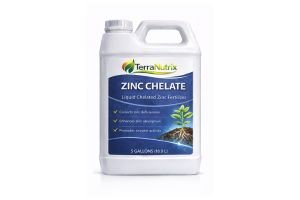
- EDTA-chelated zinc for improved stability
- Effective in high pH and calcareous soils
- Provides consistent micronutrient availability
These products help deliver zinc directly to plant tissues, ensuring efficient correction of deficiency symptoms.
Best Practices for Growers
To prevent and manage zinc deficiency:
- Monitor soil conditions and nutrient levels
- Apply zinc early in the growth stage
- Use foliar applications when symptoms appear
- Maintain balanced fertilization programs
Conclusion
Zinc deficiency is a widespread issue that can significantly limit crop growth and yield if not properly managed.
By understanding the causes, recognizing the symptoms, and applying the right solutions, growers can improve plant development and achieve better crop performance.
Looking for reliable zinc nutrition solutions?